



Getting Started With Billing: Simple Steps for Everyday Businesses
Billing does not have to be scary or "only for accountants." Whether you run a small shop, freelance, or manage a growing business, a clear billing process saves time, prevents mistakes, and helps you get paid faster.
In this guide, we will break down billing basics in plain language and show how modern tools like BillingNow make the whole process smoother.
What Is Billing, Really?
Billing is simply the process of:
- Recording what you sold
- Creating a document (an invoice) that explains it
- Sending that document to your customer
- Tracking payment until it is fully paid
A good billing system makes each step clear and repeatable so you do not have to reinvent the wheel every time you issue an invoice.
The Core Elements of a Good Invoice
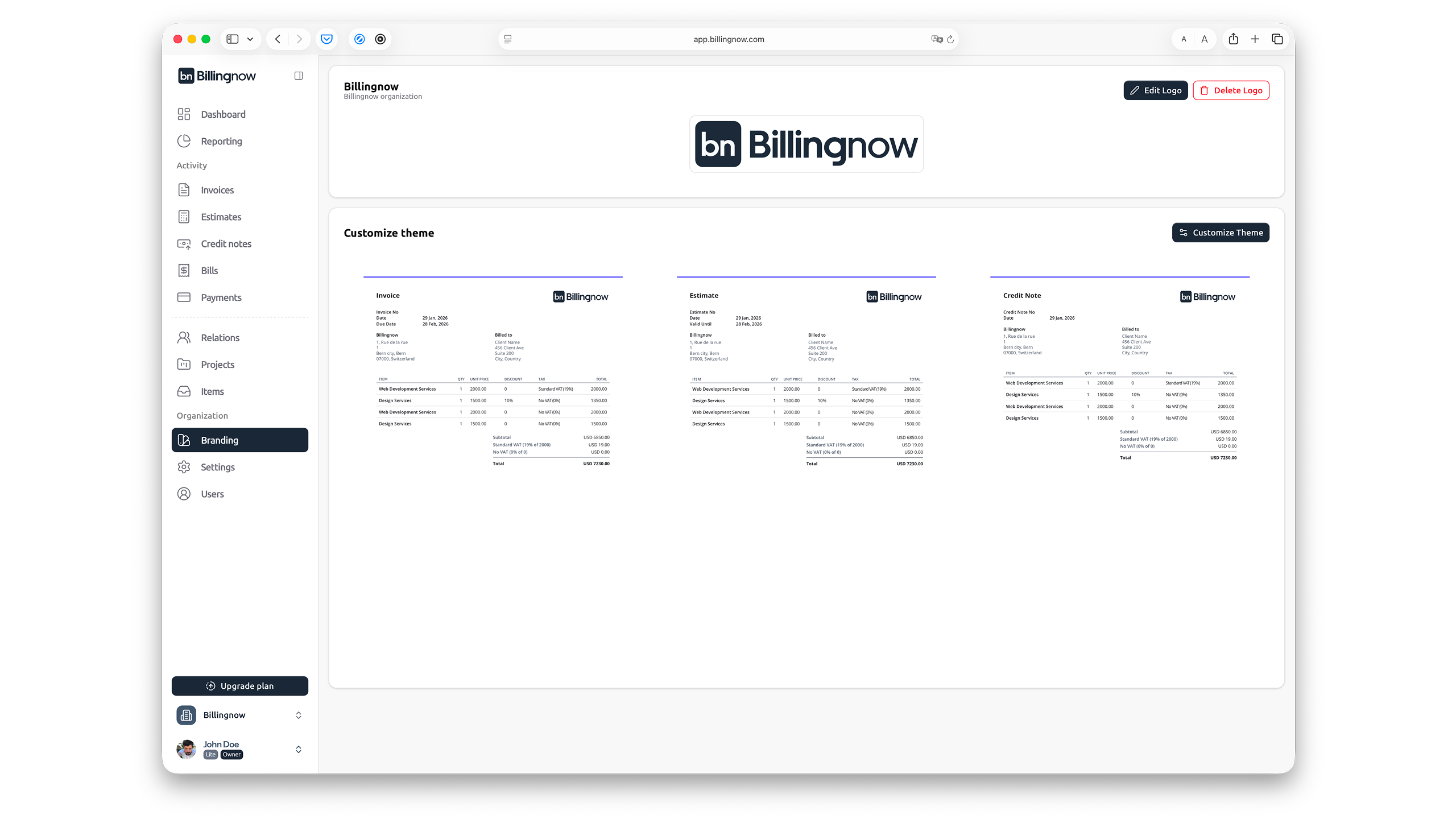
Most invoices share a few common building blocks:
- Your details: business name, address, contact info
- Customer details: who you are billing and where
- Invoice number: a unique ID (helps with tracking)
- Dates: issue date and due date
- Line items: what you sold, quantity, price
- Taxes (like VAT): rate and total amount
- Totals: subtotal, tax, grand total
- Payment details: how and where to pay
Modern solutions such as BillingNow help you store this data once and reuse it across all invoices, reducing manual typing and errors.
Why VAT Matters in Everyday Billing
VAT (Value-Added Tax) is a type of consumption tax used in many countries. If you are VAT-registered, your invoices usually must show:
- The VAT rate used (for example, 21%)
- The VAT amount charged
- Your VAT number
For many small businesses, the most stressful part of billing is making sure VAT is calculated correctly and clearly displayed. Tools like BillingNow can:
- Automatically apply the right VAT rate per line item
- Summarize VAT in totals
- Generate VAT-friendly reports for your accountant
This removes a lot of the guesswork and reduces your risk of compliance issues.
Using an Invoice Inline Editor (No More Exporting Back and Forth)
Traditional invoicing often feels like this:
Export to PDF → notice a typo → go back → re-edit → re-export → resend
An invoice inline editor lets you edit directly on the invoice screen and instantly see the result, instead of jumping between tools.
With an inline editor (like the one offered by BillingNow), you can:
- Click on text to edit it in place
- Add or remove line items quickly
- Adjust VAT, discounts, and totals on the spot
- See how the final invoice will look while you type
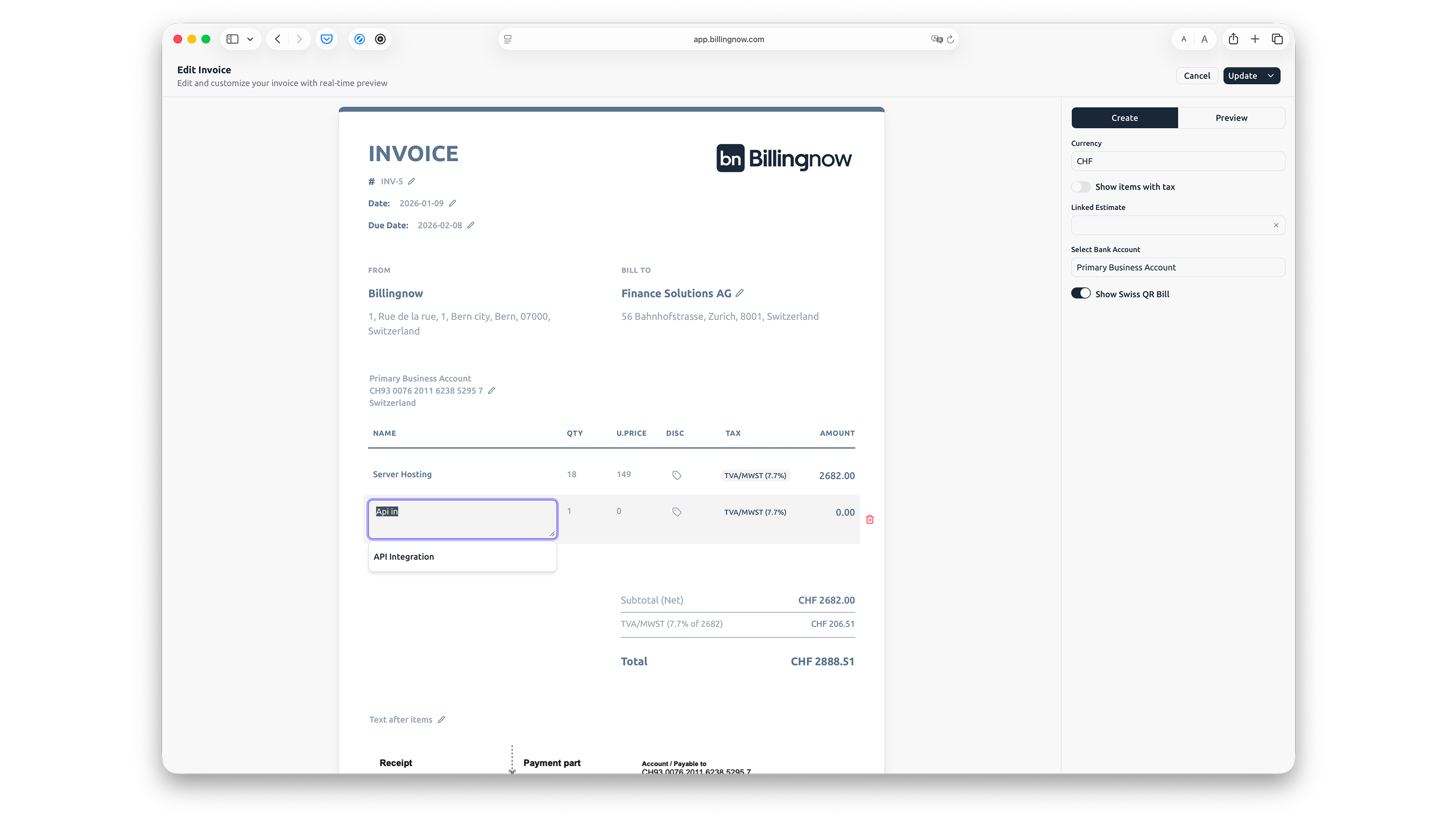
Inline editing is especially helpful for general users who want something that feels as simple as a text editor but is still accurate and compliant.
Tracking Payments Without Spreadsheets
Once you send an invoice, the next step is getting paid. You need to know:
- Which invoices are paid
- Which are partially paid
- Which are overdue
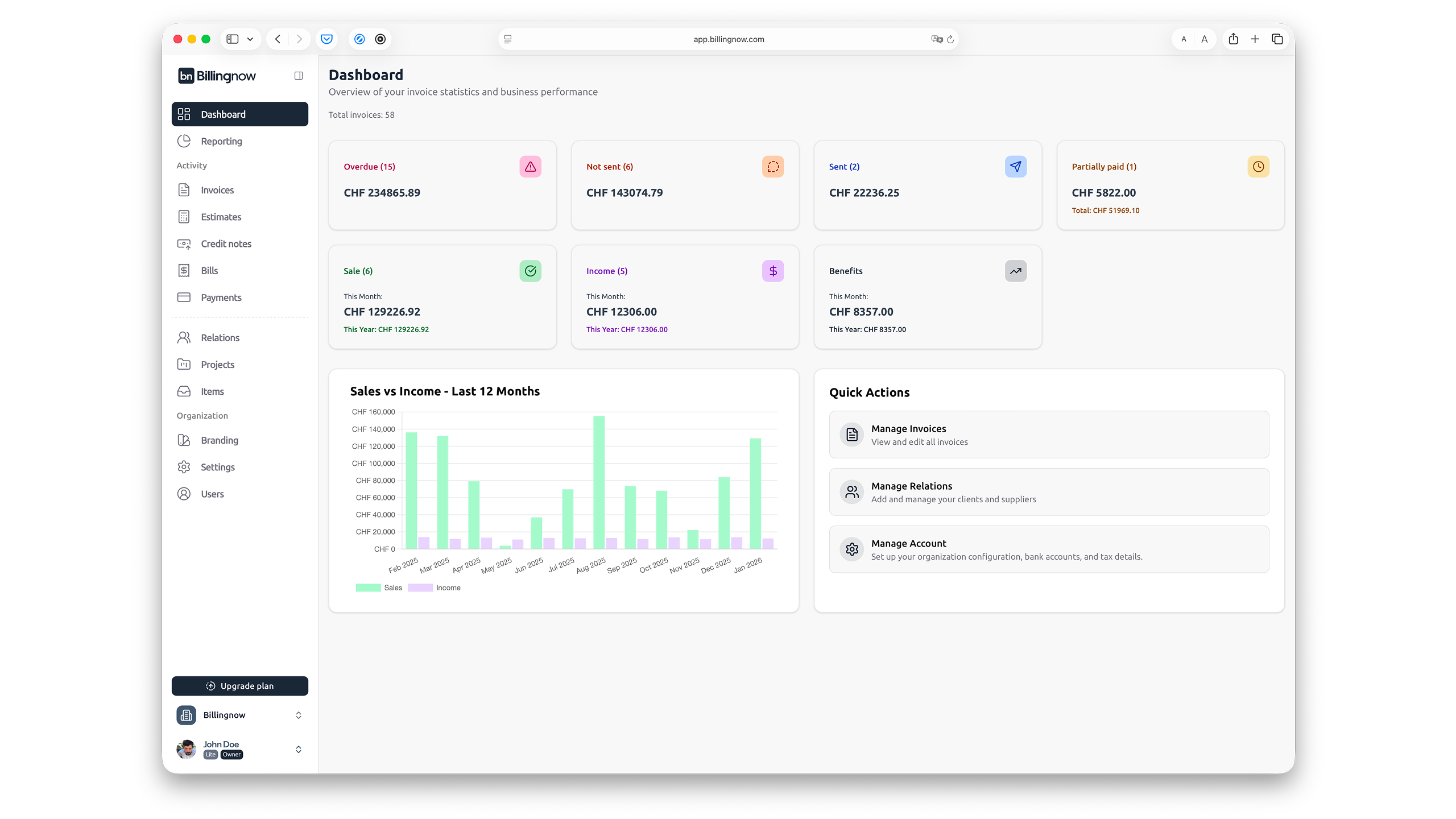
Instead of maintaining a manual spreadsheet, a billing system like BillingNow can show all this in one view, with status indicators and timelines.
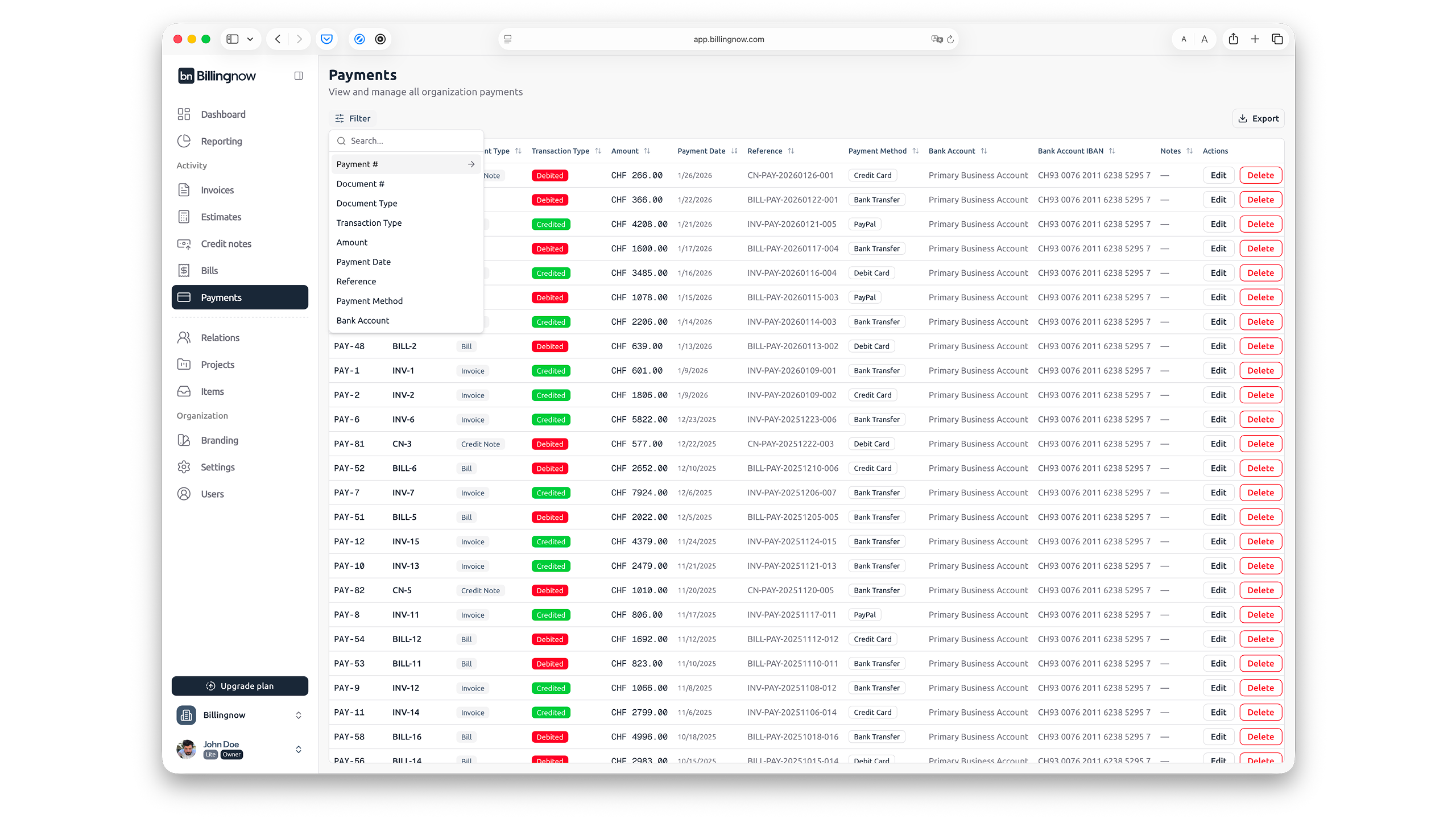
This makes it much easier to follow up on late payments and understand your cash flow at a glance.
A Simple Billing Checklist You Can Reuse
You can copy and adapt this basic checklist for your daily billing routine:
Daily / Weekly Billing Checklist

[ ] Add new customers and update contact details
[ ] Record all new sales or services
[ ] Create invoices using a consistent template
[ ] Double-check VAT rates and totals
[ ] Send invoices and store copies
[ ] Review unpaid invoices and send reminders
[ ] Export or review reports for your accountant
Even if you are not an accountant, following a checklist like this using BillingNow will keep your paperwork organized.
When to Upgrade From Manual Billing to a Tool
You might be ready for a dedicated billing tool if:
- You spend a lot of time copying data into invoices
- You regularly forget to chase payments
- VAT reporting feels confusing or stressful
- You manage more than just a handful of customers
Platforms such as BillingNow are designed to support general users, not just finance experts, by offering:
- Clear dashboards
- Inline invoice editing
- Automatic VAT handling
- Centralized customer and payment history
Final Thoughts
Billing is not just paperwork; it is how your business tells the story of its work and ensures money actually reaches your account. With the right tools and a simple routine, you can handle invoices, VAT, and payments with far less stress.
If you are ready to simplify your billing, explore what BillingNow has to offer for everyday businesses like yours.