


5 Common Billing Mistakes That Quietly Cost You Money (And How To Stop Them)
Everyone worries about big expenses, but it is often the small billing mistakes that quietly drain your money over time. A missed due date here, a duplicate charge there, and suddenly your budget feels out of control.
The good news: most billing mistakes are predictable and preventable. With a few simple habits and basic tools, you can catch errors early and keep more of your money.
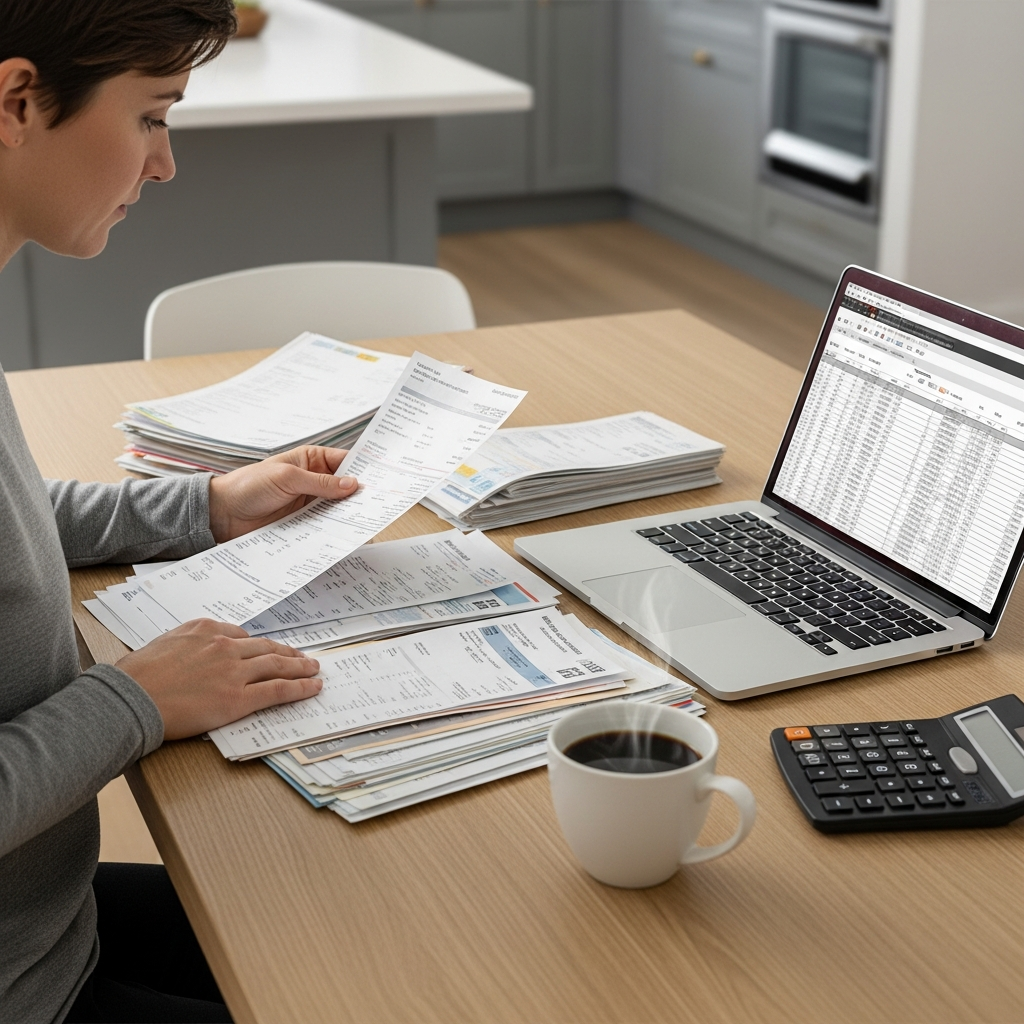
In this guide, we will walk through five common billing mistakes and give you easy, realistic fixes you can start using today.
1. Missing Due Dates and Paying Late Fees
Late fees may look small, but they add up fast. Credit cards, utilities, phone bills, and subscriptions often charge extra the moment a payment is late.
Why this happens
- Bills come in through different channels (email, apps, paper mail)
- You rely on memory instead of a system
- You are paid on different dates than your bills are due
How to avoid it
Use a simple three-part strategy:
-
Centralize your bill reminders
- Pick one place to track all bills: a notes app, calendar, or spreadsheet.
- Add due dates as soon as you get a new bill.
-
Set automatic reminders
-
Use your phone's calendar app to set 2 alerts:
- 5 days before the due date
- 1 day before the due date
-
Example of a simple reminder naming pattern:
Title: Pay Electricity Bill
Time: 5 days before due date, 7:00 PM
Notes: Amount due, how to pay, confirmation once paid
-
Turn on autopay for safe, predictable bills
- Good for: rent, internet, phone, insurance, and fixed subscriptions.
- Avoid for: bills that often change or you dispute (like some medical bills).
Tip: Align due dates with your payday if possible. Many companies will move your due date if you ask.
2. Ignoring Small Billing Errors
A few cents here, a couple of dollars there — it is tempting to just shrug and pay. But small errors can signal bigger problems, like duplicate charges or wrong rates.
Common small errors to watch for
- Charged twice for the same service or item
- Incorrect plan or package pricing
- Fees you never agreed to
- Taxes or surcharges that look unusually high
How to avoid it
-
Skim every bill before paying
- Scan for: new fees, higher amounts, or unfamiliar charges.
- Compare to last month if the amount changed.
-
Use your bank or card app alerts
- Turn on notifications for every charge.
- This makes surprises obvious within minutes, not months.
-
Get in the habit of asking questions
- If something looks wrong, contact the company.
- Be specific: "On my May 12 bill, I see a new $9.99 fee called 'service add-on'. What is this and can it be removed?"
Many companies will remove a questionable fee once, especially if you are a long-time customer. But they usually only do it when you ask.
3. Not Tracking Subscriptions and Recurring Charges
Streaming services, apps, cloud storage, gym memberships — subscriptions are easy to start and even easier to forget. That is why they are one of the most common billing mistakes.
Why subscriptions get out of control
- Free trials that turn into paid plans
- Multiple similar services (3 streaming services, 2 music apps, etc.)
- Old subscriptions you no longer use but still pay for
How to avoid it
Use a simple "subscription inventory" every few months.
- List your recurring bills
You can use a basic table like this in any note app:
| Service | Amount | Billing Cycle | Last Used | Keep? |
|---|---|---|---|---|
| Netflix | $15 | Monthly | Last week | Yes |
| Music App A | $10 | Monthly | 3 months | No |
| Cloud Storage | $2 | Monthly | Yesterday | Yes |
-
Check app store and payment history
- Look at your Apple App Store or Google Play subscriptions.
- Check PayPal and card statements for repeating charges.
-
Set a calendar reminder
- Every 3–4 months, review subscriptions.
- Cancel at least 1 thing you do not really use.
4. Using Only One Payment Method (and Losing Control)
Using a single card or account for every bill sounds convenient, but it can blur your financial picture and cause overdrafts or interest charges.
The hidden risks
- One big hit to your account if many bills are due at once
- Harder to see where your money is going
- Higher risk if that card is lost, expired, or compromised
How to avoid it
-
Separate bills from daily spending
- If possible, use one account mainly for bills and another for everyday purchases.
- This makes it easier to see if you have enough for upcoming payments.
-
Keep a small buffer in your bill account
- Aim for at least one extra bill's worth of money as a cushion.
-
Track your payment methods
- Make a simple list:
Rent – bank transfer – checking account
Internet – credit card ending 1234
Phone – debit card ending 5678
Streaming service – PayPal
- Update it when you change cards or open/close accounts.
If you lose or replace a card, this list becomes your checklist so you do not miss updating any automatic payments.
5. Not Keeping Records or Confirmations
Many people pay a bill and simply assume it is done. But if a payment gets lost, duplicated, or misapplied, proof of payment can save you stress and money.
Why records matter
- Companies do make mistakes applying payments
- Systems can glitch during updates
- You might need proof later for disputes or refunds
How to avoid it
-
Always save payment confirmations
- Take a screenshot or save the confirmation email.
- Make a folder on your computer or in the cloud named "Bills & Payments".
-
Use a simple naming system
For example:
2026-02-15_electricity_85.40_confirm.png
2026-02-20_internet_55.00_email.pdf
-
Keep at least 1 year of records
- Most people never need longer than that.
- Delete older files if storage is tight, but keep anything related to big issues or disputes.
Putting It All Together: A Simple Billing Routine
You do not need fancy software to avoid common billing mistakes. A straightforward 15–20 minute routine per month can cover most error prevention:
- Review upcoming due dates
- Check your last month's statements for strange charges
- Look over subscriptions and cancel at least one if possible
- Save confirmations from your recent payments
Helpful mindset: Treat your bills like a "mini finance checkup" instead of a stressful chore. You are not just paying — you are protecting your money.
With a few simple habits and basic digital tools you probably already have (calendar, notes app, banking app), you can avoid the most common billing mistakes and feel more in control of your money.
Quick Checklist
Use this quick checklist the next time you sit down with your bills:
- All bills are listed in one place
- Due date reminders are set
- Autopay is turned on for safe, predictable bills
- Recent statements have been checked for errors
- Subscriptions are reviewed and cleaned up
- Payment confirmations are saved
Small steps, done consistently, lead to big improvements in your financial life.