




Dear SaaS Startups: Your Billing Is Not "Just an Invoice"
There are two kinds of SaaS founders:
- Those who design billing on purpose.
- Those who duct-tape Stripe and hope for the best.
Guess which one still sleeps at night.
Billing: Your Hidden Core Feature
People sign up for your product, but they stay because:
- They trust you with their money.
- They understand what they’re paying for.
- They’re not surprised by weird charges.
That’s not “just invoicing”. That’s billing UX.

The Five Stages of DIY Billing Regret
Let’s be honest about how this usually goes.
Stage 1: “We’ll hack it in a weekend”
- Hard-code a couple of plans.
- Call Stripe’s API directly from your backend.
- Put price IDs in environment variables and pray.
// TODO: fix this later
const PLAN_IDS = {
  basic: "price_123",
  pro: "price_456", // don't change this!
};
Spoiler: you won’t fix it later.
Stage 2: Edge Case Explosion
Suddenly users want:
- Trials
- Annual discounts
- Upgrade mid-cycle
- Add three seats but remove two next month
You add more if statements. Your codebase starts to sound like legalese.
Stage 3: Finance Gets Involved
- "Can we recognize revenue properly?"
- "What’s our MRR by segment?"
- "Why do Stripe and your dashboard disagree… by 15%?"
Your answer is a PowerPoint and a deep sigh.
Stage 4: Pricing 2.0
Product wants to launch:
- Usage-based pricing
- Add‑ons
- Bundles
You realize your billing model is cemented into your app logic.
Stage 5: The Great Rewrite
You now either:
- Freeze pricing experiments for months, or
- Rewrite billing from scratch.
Or—hear me out—you could skip to a proper system like BillingNow.com.
What BillingNow.com Gets Right (That DIY Usually Doesn’t)
1. Billing as configuration, not code
You define:
- Plans and tiers
- Usage metrics
- Trials and discounts
…in a UI your PM can use, without a deploy.
{
  "plan": "startup",
  "billingInterval": "monthly",
  "basePrice": 49,
  "usageMetric": "active_users",
  "pricePerUnit": 2
}
Welcome to billing as data, not scattered logic.
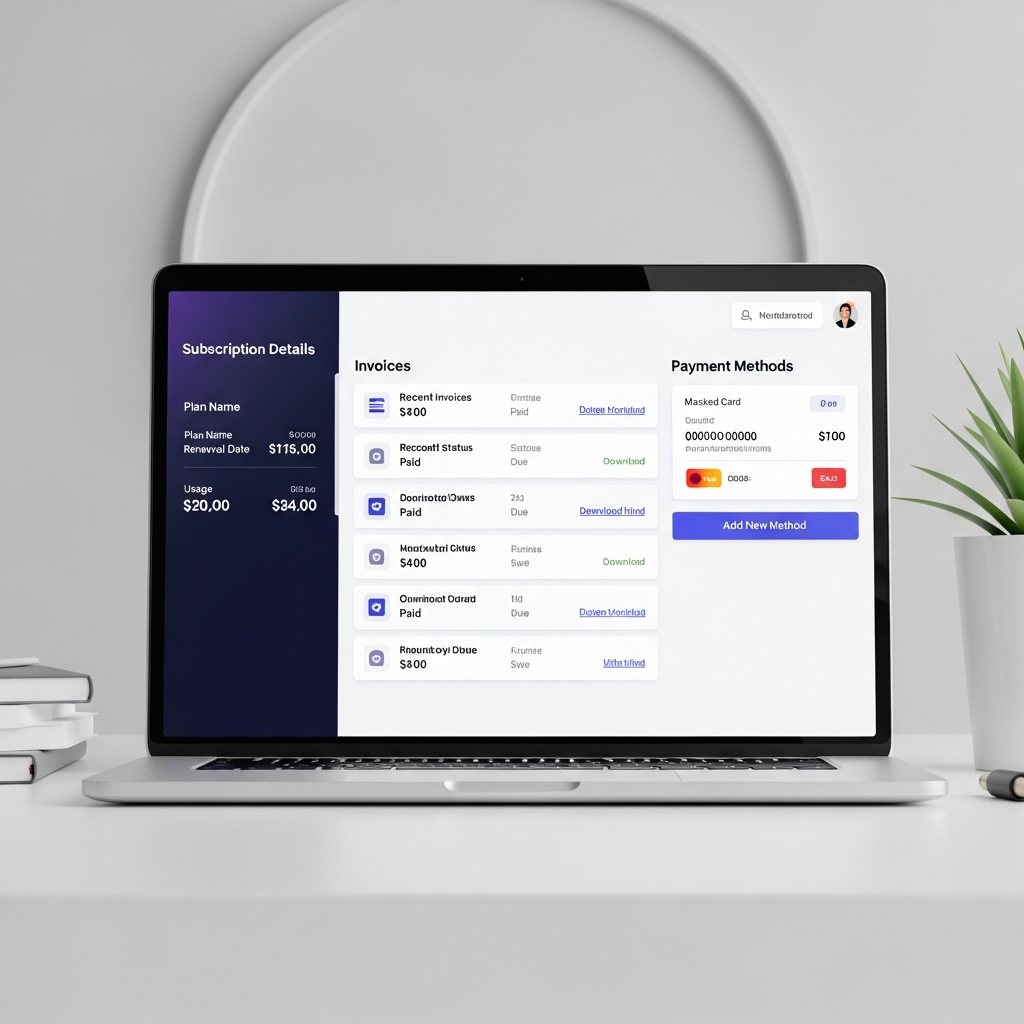
2. Customer-friendly portals
Tools like BillingNow.com ship with portals where customers can:
- Download all invoices
- Update payment methods
- See upcoming charges
This means fewer "Can you send me last year’s invoices again?" emails.
3. Finance-grade reporting
Because billing is centralized, you can answer scary adult questions like:
- MRR / ARR per plan
- Net revenue retention
- Churn by cohort
- Revenue from expansions vs downgrades
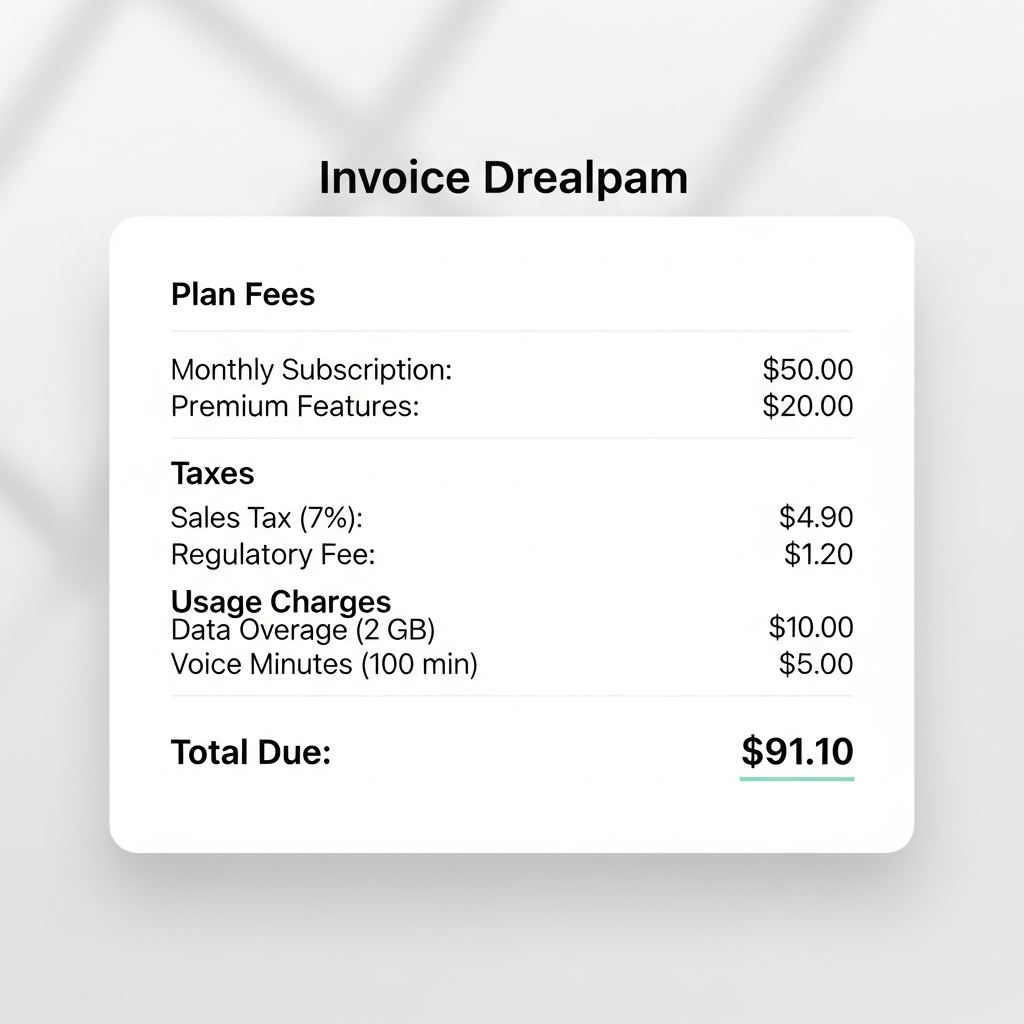
Billing UX: Little Things, Big Trust
Your users notice things like:
- Clear line items vs mysterious lump sums
- Pro-rated upgrades that make sense
- Consistent billing dates
- Predictable emails before charges
Unified billing platforms make these details the default, not side quests.
When To Stop Hacking It
You don’t need BillingNow.com on day one of your MVP.
You probably do need it when:
- You’re past $10k MRR.
- You have more than 2 pricing models.
- Finance is asking hard questions.
- Engineers are scared to touch the billing code.
Final Thought
Billing is not an afterthought—it’s part of how your product feels.
Treat it as a first-class feature.
Or keep copy‑pasting price IDs and explaining to customers why they got three invoices this month. Your call.